Google Reviews and Local SEO: Rank Higher in Maps (2026)
Reviews do two jobs at once. They help Google trust your business, and they help people choose you over the next listing. That is why reviews can have a real impact on local SEO and Google Maps performance.
Pushback: A high star rating is not the whole story. A steady flow of real reviews often beats a one-time review rush, even if both businesses have the same average rating.
Google Reviews and Local SEO: Rank Higher in Maps (2026)
Why reviews matter for local SEO
How Google likely uses reviews in local rankings
What matters most in a review profile
A simple review system that works for local businesses
How to respond to reviews without sounding fake
Why reviews matter for local SEO
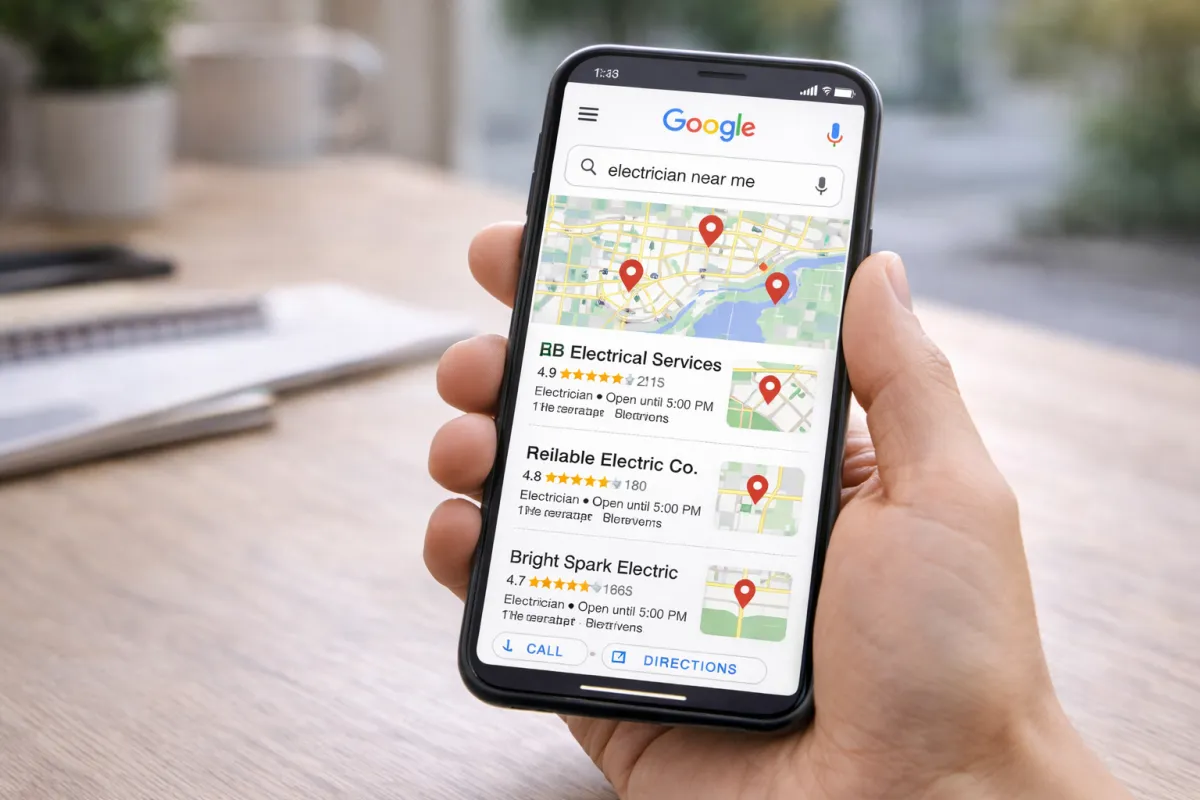
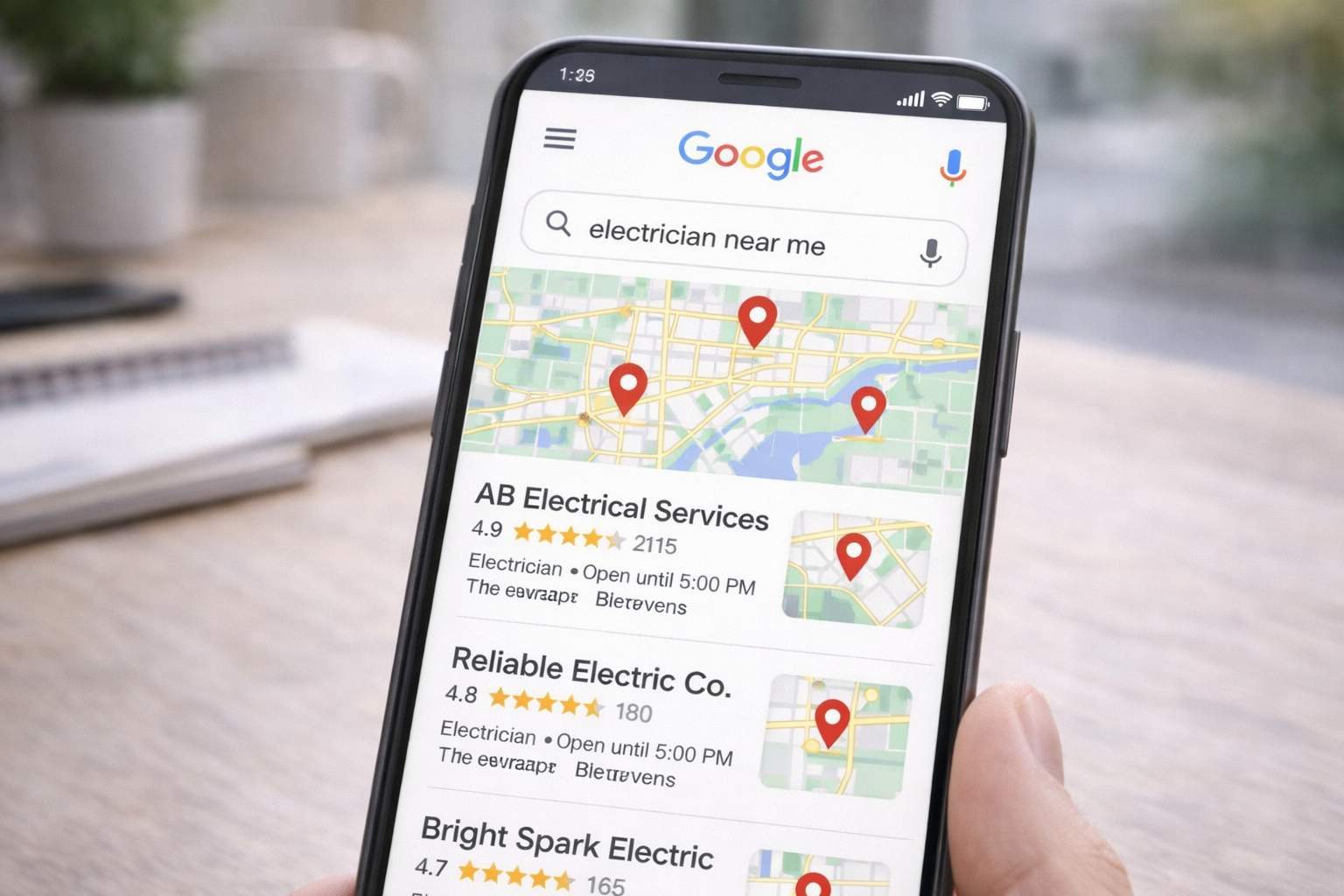
When people search in Google Maps, they do not have much patience. They look at the rating, the number of reviews, and whether the business feels active and legit. Reviews affect clicks, calls, and trust. Those user signals can reinforce visibility over time.
How Google likely uses reviews in local rankings
Google does not publish an exact formula, but in practice, reviews can support local visibility in a few ways:
Prominence: reviews are one of the clearest “real business” signals.
Conversion: better reviews usually lead to more calls and clicks.
Freshness: recent reviews suggest the business is active.
Relevance cues: customers naturally mention services and problems in their own words.
What matters most in a review profile
Consistency: a steady stream is a good sign.
Volume: more real reviews usually improves trust.
Rating: obviously matters, but it is not the only factor.
Detail: short “Great job” reviews help, but specific ones help more.
Owner replies: shows activity and professionalism.
Do keywords in reviews help?
Sometimes customers mention the service they got, the area, and the problem you solved. That is useful because it is natural language. The mistake is trying to force this. Do not ask customers to “write keywords.” Ask them to describe what you did for them.
Better ask: “If you have a minute, can you mention what service we helped you with and what stood out?”
A simple review system that works for local businesses
The best system is boring and consistent. Here is a clean approach:
Pick the moment: ask right after a win (job done, issue fixed, happy customer).
Send one link: do not make them search for your listing.
Follow up once: one gentle reminder is enough.
Reply to every review: short, polite, and real.
Track it weekly: consistency beats “we will do it later.”
How to respond to reviews without sounding fake
Replying helps trust and it signals activity. Keep it simple:
Use the customer’s name if shown.
Reference the service in a normal way.
Thank them and invite them back.
Example reply
Thanks, Mike. Glad we could get your pool pump running again. If you need anything else, we are here.
What to do about bad reviews
A few negative reviews are normal. The bigger problem is ignoring them or getting defensive in public. Respond calmly, offer to fix it, and move the conversation offline.
Good structure
Acknowledge the issue.
Apologise for the experience.
Offer a clear next step (call or email).
Do not argue line by line.
Common review mistakes that hurt trust
Buying reviews or using shady review farms.
Asking everyone at once, then going quiet for months.
Not replying to reviews, especially negative ones.
Sending customers to the wrong review link.
Making the request feel awkward or spammy.
Quick checklist for this week
Create a simple message template to ask for a review.
Make sure your Google review link works.
Ask 3 to 5 happy customers this week.
Reply to every new review within 48 hours.
Add a short review request step to your normal process.
Want a clear local SEO plan that ties reviews, GBP, and your website together?
See our SEO services for local businesses. We can improve your Google Business Profile, fix your site structure, and build a plan that brings in more calls.
Related reads: Google Business Profile SEO, Local citations, On-page SEO checklist, and What local SEO means.